Strategy
Enemy mode: recognising Nevrons, bosses and chromatics
Enemy mode shows you an enemy's portrait and asks for its name. With 149 possibilities, visual memory alone is not always enough. Here are the cues that make the difference.
Published · 4 min read
How the mode works
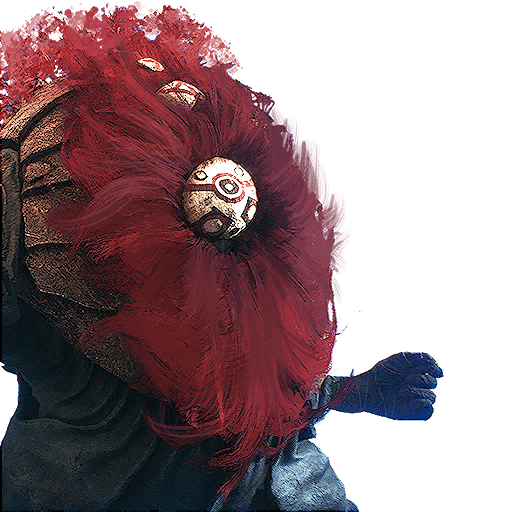
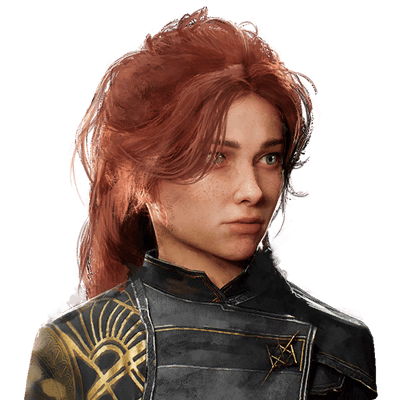
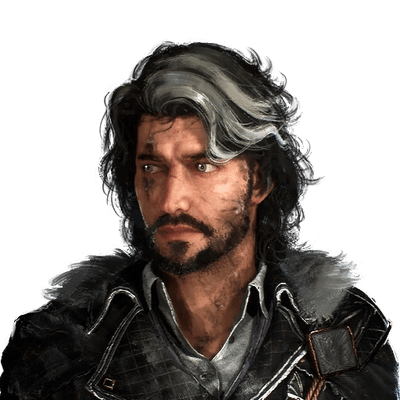
Every day, Enemy mode draws one enemy out of 149: ordinary Nevrons, story bosses and chromatic variants. You see its portrait, framed like a painting, and type its name. The suggestion list shows no thumbnails, so you cannot simply match pictures, but it does flag bosses with a small "Boss" label.
As in the other modes, guesses are unlimited, each wrong guess is listed in red under the input, and free mode lets you play game after game without touching your stats.
Portraits taken from the game
The pictures are not screenshots: they are the portraits the game shows in the turn-order timeline, the column that tells you in combat in which order characters and enemies will act. If you have played, you have seen them scroll past hundreds of times. That works in your favour: these portraits always frame the creature the same way, from the front or at three-quarters, and the silhouette is easier to recognise than on a random screenshot.
To practise, focus on what remains visible at a small size: the overall shape of the head, the dominant colour and any signature accessory. Spear, shield, mask, hat: many Nevrons are named after their main attribute.
Bosses, mobs and chromatic variants
Of the mode's 149 enemies, 91 are flagged "Boss" by the game, including 53 chromatic variants. These variants are elite versions of ordinary Nevrons, tougher and often hidden off the beaten track.
Here is the single most useful detail in this guide: on this site, a chromatic variant has exactly the same portrait as its base form. The only visible difference is the colour effect that makes the image ripple through every hue. If today's portrait keeps changing colour, you know the answer starts with "Chromatic". Recognise the creature, then pick its chromatic version from the list.
The reverse also holds: a portrait with steady colours is never a chromatic variant. With a little practice, that clue alone rules out more than a third of the possibilities before your first guess.
Look-alike families
Some enemies share a family name and a family resemblance. They are the mode's classic traps, because their portraits are close and their names differ by a single word:
| Family | Members | Variants |
|---|---|---|
| Eveque | 4 | Eveque, Flame Eveque, Frost Eveque, Thunder Eveque |
| Mask | 4 | Mask Keeper, Mask of Anger, Mask of Joy, Mask of Sadness |
| Sakapatate | 4 | Catapult Sakapatate, Ranger Sakapatate, Robust Sakapatate, Ultimate Sakapatate |
| Chevaliere | 3 | Ceramic Chevaliere, Gold Chevaliere, Steel Chevaliere |
| Cultist | 3 | Greatsword Cultist, Mage Cultist, Reaper Cultist |
A few cues to tell them apart:
- The Eveques come in elemental versions: Flame, Thunder or Frost. The portrait's dominant colour tells you which.
- The Sakapatates exist as Catapult, Ranger, Robust and Ultimate. Their gear changes more than their faces: look at the weapon or the armour.
- The Chevalieres are made of steel, ceramic or gold. Here, the armour's material does the talking.
- The Cultists are Greatsword, Reaper or Mage, depending on what they wield.
- The Masks of Anger, Joy and Sadness are recognisable by the expression they wear. Watch out for the Mask Keeper, a different enemy altogether despite the shared word.
English names, French names
Many enemies have a different name in each language, and the game accepts both spellings whatever the site's language. The most confusing differences concern common Nevrons:
| English | French |
|---|---|
| Abbest | Mitrien |
| Jar | Amphorien |
| Luster | Lustrion |
| Scavenger | Charognard |
| Ballet | Ballerine |
| Sapling | Arbuscule |
| Bruler | Bruleur |
| Cruler | Cruleur |
For compound names, the word order often flips: "Robust Sakapatate" is "Sakapatate robuste" in French, "Frost Eveque" is "Évêque Glacial". French names also carry accents, but the search ignores them anyway. The enemy codex gives both names for each of the 149 enemies.
Where the big bosses wait
Knowing where a fight takes place helps you place a portrait. Here is where some main-story bosses await you, using the game's own location names:
| Boss | Battle location | Area |
|---|---|---|
| Eveque | The Indigo Tree | Spring Meadows |
| Goblu | Flower Field | Flying Waters |
| Francois | François' Cave | Esquie's Nest |
| Dualliste | Ancient Bridge | Forgotten Battlefield |
| Glissando | Crumbling Path | Sirène |
| Sirene | Dancing Arena | Sirène |
The guide to the areas of the Continent retraces the expedition's full route, from Lumière to the Monolith.
A four-step method
- Check the colour first: if the portrait ripples, the answer is chromatic and you can focus on the base form.
- Identify the family from the main attribute (spear, shield, mask, armour).
- Separate family members by dominant colour or material.
- Type part of the name: the search finds the letters anywhere in the name, in English or French.
Getting better
Free mode is your best friend: every game shows a new portrait, and the answer is revealed when you win. Within a few days, the families and their variants become familiar. Nevrons also inspired many of the game's weapon names: if that interests you, the Weapons mode guide explains how Glaise became Glaisum and Goblu became Gobluson.